The City of Joburg’s governance system gives a glimpse of how the country future’s coalition governance might look like even at the national level, so says political analysts and commentators.
“The future of South African politics is in the politics of coalition arrangement. They may look messy at first, but there are many advantages that come with the package. Gone are the days when politicians would sit in dark and smoky rooms deciding who to appoint to top government positions without merit,” said the renowned political analyst Prince Mashele.
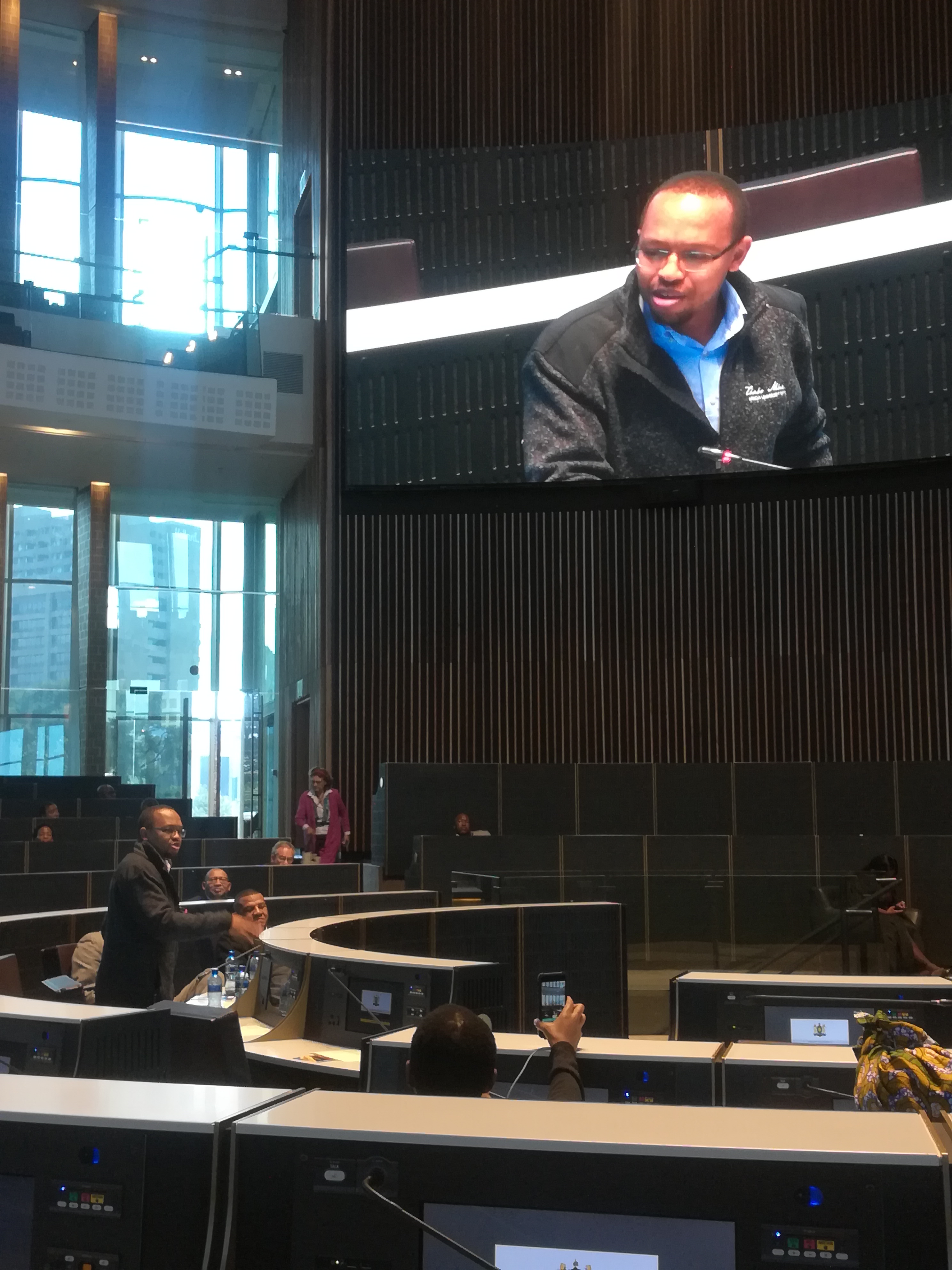
Mashele was one of the panelists speaking at the Legislature’s panel discussion on coalition governance yesterday, 29 May 2019, at the Council Chambers.
The panel discussion consisted of the Speaker of Council Cllr Vasco da Gama, Chief Whip Cllr Kevin Wax, Chairperson of Section 79 Chairpersons’ Committees Cllr Alex Christians, North West University academic Dr TK Pooe and Mashele. The robust discussion was facilitated by the seasoned chief economist Landiwe Mahlangu.
The discussion was also attended by academics, PhD students and master’s students in public management and political science studies from various universities like the University of Johannesburg and Unisa.
Opinions were split between those who support the view that the future of the country’s politics will be led by a coalition government and those who saw coalition governance as unsustainable.
Dr Pooe said: “I’m not a believer in the coalition governance system. What coalition governance says is that no party could manage to convince the majority of electorates that they are good enough to govern alone. What also bothers me is that even here in the City of Joburg, the nature of the coalition governance is still not yet defined. We must ask difficult questions. Is the nature of the coalitions underpinned by the desire to topple the ruling party or something else?”
Speaker Cllr Da Gama explained the almost impossible job of managing coalition partners in the Joburg Council. “We find ourselves having to negotiate on each and every item that needs to be passed in Council. You must make sure that everyone is on board. It’s not an easy job but at the same time is also rewarding.”
Cllr Wax argued that coalition governance can be successful, even when those political parties which are coalition partners have divergent views.
“Citizens don’t really care much about the political ideologies, but about service delivery in their communities. It’s through coalition governance that we begin to see transparency and accountability are much enhanced than in traditional governance,” said Cllr Wax.
Mahlangu said if coalition governance is touted as the future, it needs to be interrogated to see if it is the best vehicle to deliver to the poor.

