As South Africa marks Human Rights Month in March, the City of Johannesburg is reflecting on the sacrifices that shaped the country's democratic journey while recommitting to building a city grounded in dignity, equality, access and justice for all.
Human Rights Month serves as a reminder that today's freedoms were hard-won through struggle and collective courage. It also calls on all spheres of government to actively protect and advance these rights in ways that are visible and meaningful in everyday life.
In giving effect to this commitment, the Johannesburg Development Agency (JDA), on behalf of the City, is implementing targeted urban development projects that honour the country's liberation history while improving the quality of life in the inner city.
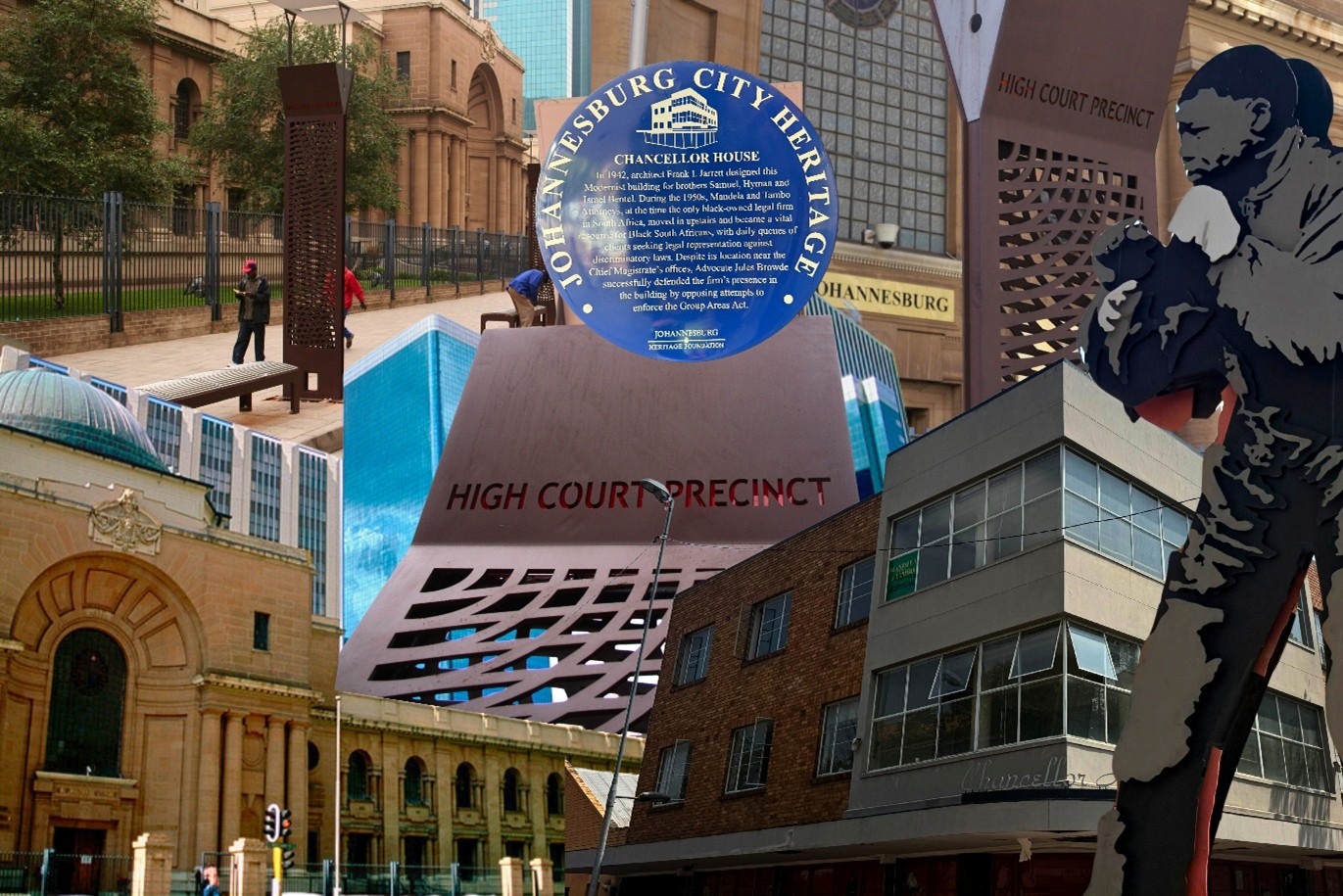
Two flagship projects — the Chancellor House Refurbishment and the High Court Precinct Public Environment Upgrade (PEU) — highlight how infrastructure can reinforce the values of justice, dignity and human rights.
Chancellor House, located in the inner city, is a provincial heritage site central to South Africa's legal history. It once housed Mandela & Tambo Attorneys, the country's first Black-owned law firm. Between 1952 and 1956, Nelson Mandela and Oliver Tambo worked from the site, defending Black South Africans against unjust apartheid laws.
Operating opposite the Johannesburg Magistrates' Court, the building became a hub of legal resistance and hope. It later included legal minds such as Duma Nokwe and Godfrey Pitje, who contributed to advancing justice under a deeply unequal system.
Today, Chancellor House serves as a freedom struggle museum and forms part of the Mandela Footsteps Trail. The JDA's refurbishment work aims to preserve its heritage while improving safety and accessibility. Upgrades include structural repairs, waterproofing, and improvements to plumbing and electrical systems.
Complementing this heritage preservation is the High Court Precinct Public Environment Upgrade (PEU), which focuses on improving the space around the Gauteng Local Division of the High Court.
Bounded by Lillian Ngoyi, Delvers, Helen Joseph and Eloff streets, the precinct is a key judicial and economic hub. The upgrade seeks to enhance walkability, safety and accessibility, while supporting business activity and informal trade.
Interventions include new pedestrian walkways, street furniture, landscaping, benches, recycling bins, and reconfigured parking and drop-off areas. Universal access features are also being introduced to accommodate people with disabilities, the elderly and children.
JDA spokesperson Kenneth Nxumalo said the projects demonstrate how urban development can advance constitutional values.
“Human Rights Month reminds us that our freedoms were earned through sacrifice and must be sustained through action. These projects show how the City is preserving that legacy while shaping spaces that promote dignity, access and justice," he said.
As Johannesburg continues to evolve, these initiatives reflect a broader commitment to creating a city where history is honoured, public spaces are inclusive, and human rights are not only remembered but actively lived.
27/03/2025
Recommended for you:
Reimagining Johannesburg's High Court precinct
Walking in Mandela's footsteps: Restoring Chancellor House for Tourism Month
Joburg commemorates Human Rights Day at Alex 10km race
To stay informed about the latest developments in the City, connect with us on:
X: @CityofJoburgZA
Facebook: City of Joburg
Instagram: @CityofJoburg
TikTok: @CityofJoburg
Threads: @cityofjoburg
LinkedIn: City of Johannesburg
YouTube: https://www.youtube.com/@CityOfJoburgZA/videos

