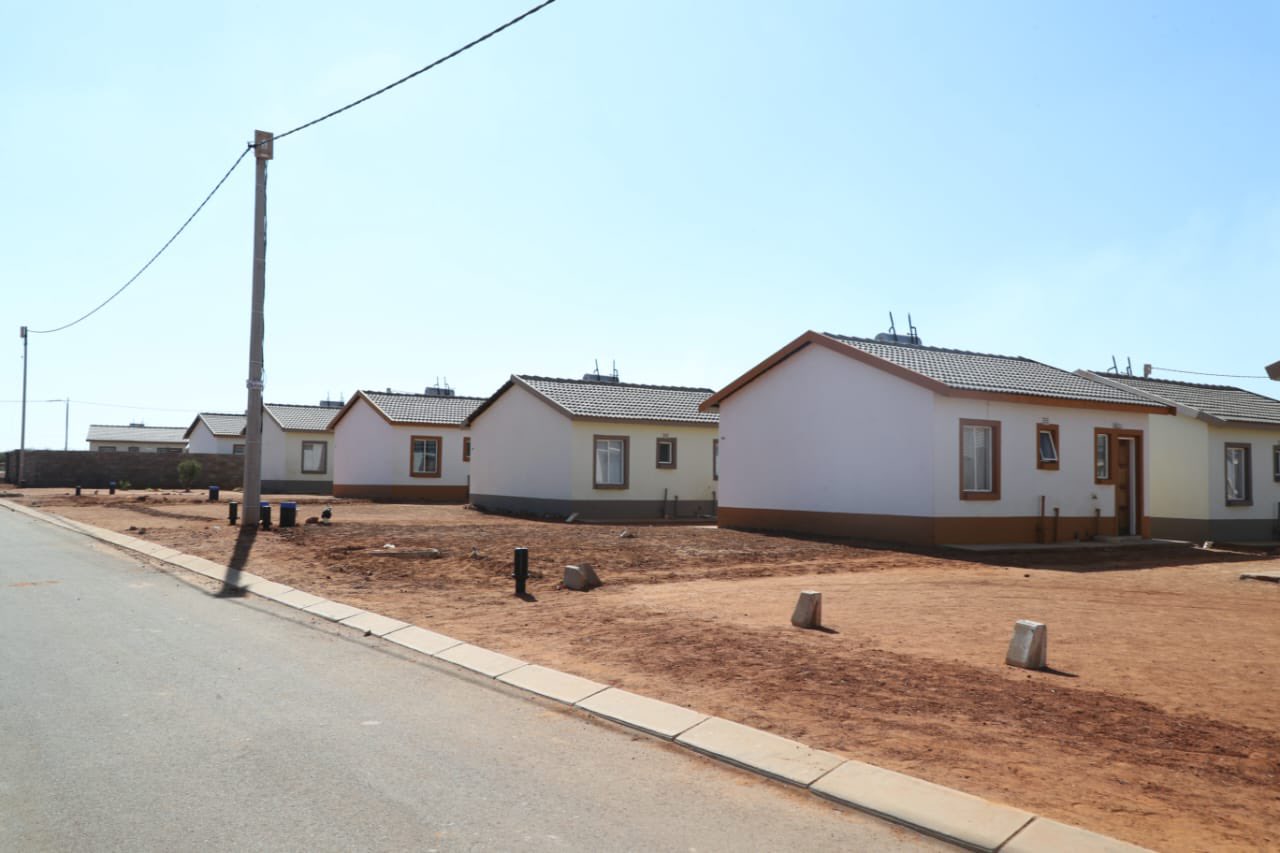
Access to adequate housing remains a central priority for government in post-apartheid South Africa, particularly in urban centres such as Johannesburg where demand continues to outpace supply. Guided by Section 26 of the Constitution, the Gauteng Department of Human Settlements (GDHS), working with accredited municipalities, is mandated to ensure that all residents have access to safe and decent housing.
While significant progress has been made over the years, the housing backlog remains a pressing challenge. To address this, the GDHS operates within a clear legislative framework, including the National Housing Act and the Gauteng Housing Act, both of which emphasise sustainable human settlements and equitable delivery.
As a result of the pressure to acquire land or housing, some residents have fallen victim to scams and con artists who promise state-built houses for a fee, only to disappear with their hard-earned cash. Residents are therefore encouraged to report any fraud or corruption through the City's anti-fraud channels, including the toll-free hotline (0800 002 587) or via email at whistle@joburg.org.za.
At the heart of the system is a commitment to fairness and transparency. The housing allocation process is designed to ensure that opportunities are distributed equitably, while restoring public trust in government systems. Collaboration between the provincial department and the City of Johannesburg is key to achieving an integrated and effective approach.
To qualify for housing assistance, applicants must be South African citizens or permanent residents, 21 years or older, and must not have previously benefited from a government housing subsidy, such as an RDP house. Households earning R3,500 or less per month are eligible, with priority given to vulnerable groups, including the elderly, people with disabilities and military veterans.
The National Housing Needs Register serves as the official database for applicants. Supporting documents—such as proof of income or unemployment—are required to verify eligibility. Once approved, beneficiaries are linked to housing projects, although timelines may vary depending on budget allocations and project readiness.
Priority is also given to long-standing applicants, particularly those who registered between 1996 and 1999. As the Department shifts towards enabling and supporting housing delivery rather than direct construction, coordination across multiple stakeholders plays an increasingly important role in determining delivery timelines.
Ultimately, Johannesburg's housing programme reflects a continued effort to redress historical inequalities and build inclusive communities. By strengthening governance, improving transparency and working collaboratively, the City and Province aim to ensure that more residents can access housing opportunities and live with dignity.
Written by Tinyiko Barbara Ngobeni
31/03/2026
Recommended for you:
City fast-tracks integrated housing push, tackles Goudrand delays
City takes housing anti-scam drive to communities
Ivory Park residents help shape City of Joburg housing policy
To stay informed about the latest developments in the City, connect with us at:
X: @CityofJoburgZA
Facebook: City of Joburg
Instagram: @CityofJoburg
TikTok: @CityofJoburg
LinkedIn: City of Johannesburg
YouTube: https://www.youtube.com/@CityOfJoburgZA/videos

